
![[eBook] Sustainability and water management](https://agriplasticscommunity.com/wp-content/uploads/8_550x310_ENG-440x264.png)
![[eBook Trends in Agriculture Plastics] Increasing use of biodegradable mulch](https://agriplasticscommunity.com/wp-content/uploads/550 × 310_2_ENG-150x150.png)
![[eBook Trends in Agriculture Plastics] Reducing the plastic used in the manufacture of agricultural films](https://agriplasticscommunity.com/wp-content/uploads/550 × 310_1_ENG-150x150.png)





Strategic importance in Europe of achieving self-sufficiency in food production: key insights for the future
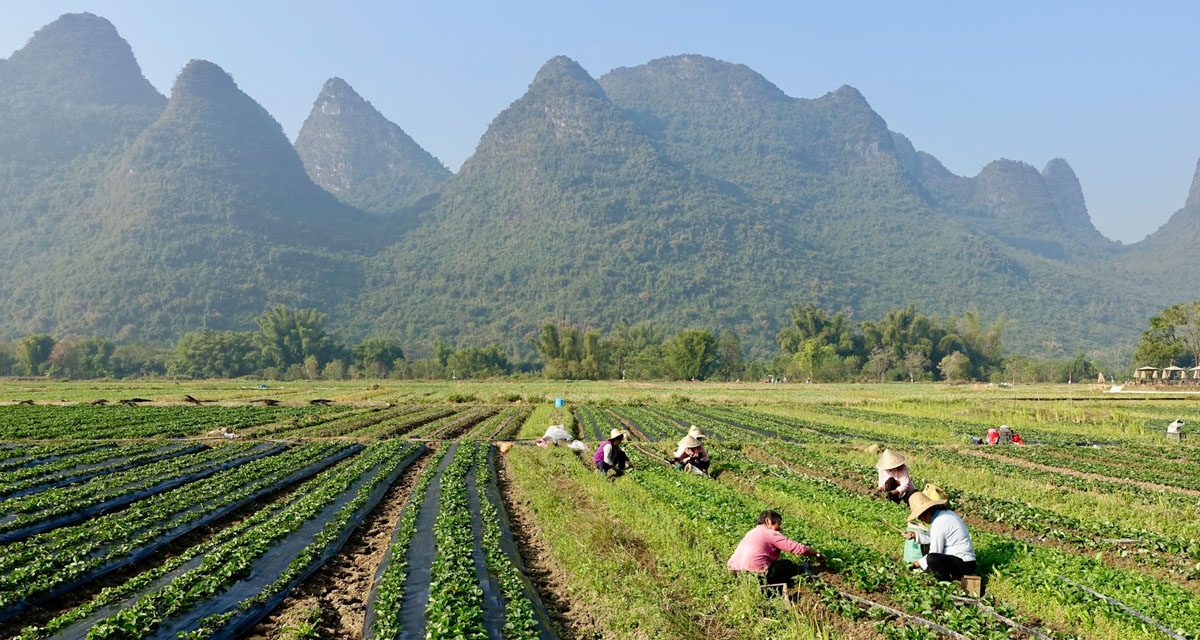
The strategic importance in Europe of achieving food self-sufficiency has become a crucial issue in recent years, especially in a global context marked by climate and economic crises.
Food self-sufficiency not only ensures the supply of food but also promotes more resilient and sustainable communities.
Local food production thus becomes a central pillar for achieving sustainable development and ensuring food security for all.
In this article, we will explore the fundamental aspects of food self-sufficiency in Europe, analyzing its relevance, challenges, and opportunities, in relation to the European Commission Report on the Implementation of the Water Framework Directive and the Floods Directive.
We will develop the following points of interest on this topic:
- Current context of food self-sufficiency in the European Union according to the report
- The current state of food production in Europe
- Food self-sufficiency: a key objective in the current context
- Innovations in agricultural Production
- Diversification and sustainability in agricultura
- Challenges and opportunities for the future
Current context of food self-sufficiency in the European Union according to the report
The text highlights that water is a fundamental resource for life, society, and the European economy, and emphasizes that its sustainable management is crucial to address challenges such as climate change, biodiversity loss, and pollution. In this context, food self-sufficiency acquires strategic importance for Europe.
Food production directly depends on the availability and quality of water. Recent crises, such as droughts and floods, have revealed the vulnerability of the European agri-food system and the need to strengthen its resilience to ensure food security in the face of extreme events and environmental changes.
Being self-sufficient in food production allows Europe to reduce its dependence on external sources, which is essential in a global context of uncertainty and tension in international markets.
The European Union, in general terms, manages to supply itself with most of the food it consumes. However, it still depends on the importation of certain products that cannot be produced in sufficient quantities or are unsuitable for its climate.
Food self-sufficiency is considered a strategic pillar, as it ensures supply during times of crisis and strengthens the political and economic autonomy of the region.
The Common Agricultural Policy (CAP) and strategies such as the European Green Deal and the “Farm to Fork” Strategy reinforce the EU’s commitment to food self-sufficiency, promoting more sustainable and resilient production systems and ensuring that food remains sufficient and affordable.
In summary, the text emphasizes that, in light of increasing water- and climate-related risks, coupled with the instability of the global context, self-sufficiency in food production is an essential issue to guarantee the security, stability, and autonomy of the continent.
The current state of food production in Europe
Food production on the European continent is a subject that presents various variables and challenges, especially within an ever-changing international context full of uncertainties.
The capacity of European agriculture to meet food needs is under continuous evaluation.
Challenges facing the European agricultural sector
The European agricultural sector is facing multiple challenges that complicate its operation. Among these, economic pressure, market evolution, and the need for innovation in a constantly changing context stand out.
Farmers must quickly adapt to society’s new demands and to increasingly strict environmental regulations.
Among the most significant challenges are:
- The increase in production costs, particularly regarding fuel and fertilizers.
- The presence of foreign competition, which negatively impacts the profitability of national products.
- The obligation to implement sustainable methods that comply with the regulations established by community legislation.
These factors require swift and coordinated responses to ensure the stability of the agricultural sector and the food supply for Europe’s inhabitants.
Dependence on imports and its risks
Europe’s dependence on food imports is a matter of great importance. Although the continent has a strong agricultural capacity, certain staple products—such as cereals and oils—depend heavily on other nations, which increases the risk in the face of external instabilities.
The crisis in Ukraine and geopolitical conflicts have shown that purchasing food from distant markets can be risky. This situation has exposed the vulnerability of European food supply systems, where trade disruptions can lead to a significant shortage of essential products.
Dependence on imports affects not only food security but also has economic consequences.
By relying on external supply chains, European countries face uncertainty regarding product prices and availability, which has a direct impact on consumers and the overall economy.
Can Europe be self-sufficient?
Europe has the potential to achieve a high level of food self-sufficiency, but it faces significant challenges. Therefore, collaboration among member countries and the development of common agricultural policies are essential to achieve this goal.
The allocation of resources to research and development, combined with training in the agricultural sector, has the potential to strengthen Europe’s capacity to reach self-sufficiency.
Likewise, the integration of advanced technologies will be crucial to maximize production and overcome the challenges posed by climate change.
If you want to learn more about how technology can help farmers tackle water scarcity in the agricultural sector, we invite you to read our ebook on the topic.
Strategic relevance of the water context for food self-sufficiency in Europe
The report on the state of water in the European Union reveals that, although there has been progress in the knowledge and monitoring of water quality, significant challenges remain regarding the number of surface and groundwater bodies that achieve good ecological and chemical status.
Only 39.5 % of surface waters are in good ecological condition, and just 26.8 % meet chemical standards, figures that show little improvement compared to previous cycles.
This water context has a direct strategic relevance for food self-sufficiency in Europe:
- Dependence on water for food production: European agriculture relies heavily on the availability and quality of water. The degradation or scarcity of water resources compromises the capacity to produce enough food to supply Europe’s population.
- Food security risks: Difficulties in achieving good water status, combined with pollution and pressure on water resources, increase the vulnerability of the agri-food system to climate crises, contamination, or droughts.
- Reducing external dependence: Ensuring food self-sufficiency is strategically important for the EU, as it reduces dependence on imports from third countries—crucial in an uncertain global context and amid possible supply chain disruptions.
- Social and economic stability: Food self-sufficiency shields Europe from international market volatility and external crises, contributing to economic stability, rural employment, and social cohesion.
- Need for effective water management: The report stresses that, to maintain agricultural production and self-sufficiency, it is essential to improve water management and condition, adopting stricter and more coordinated measures at the European level.
In this regard, we invite you to watch our webinar on how to reuse wastewater for irrigation in agricultural fields, one of the measures adopted in agriculture to become more self-sufficient in water management.
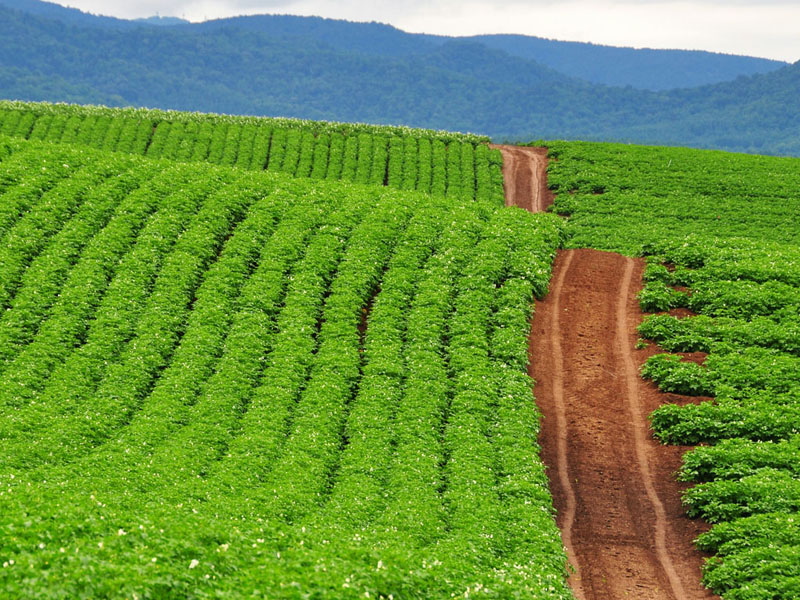
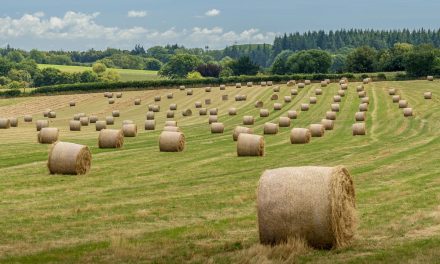
Food self-sufficiency – a key objective – Photo by Henry Lim on Unsplash
Food self-sufficiency: a key objective in the current context
As mentioned earlier, food self-sufficiency has become a critical issue for Europe, especially in a context of global instability.
Ensuring an adequate level of food production is essential to maintain both social and economic stability across the continent.
Food security as a priority
Food security not only encompasses the availability of food, but also how easily communities can access and obtain it.
Food insecurity, reflected in rising prices and product shortages, can have severe consequences, including malnutrition and social tension.
The influence of geopolitics on food availability
The European geopolitical situation has a considerable impact on food supply. Europe’s dependence on food imports from unstable or conflict-affected regions exposes it to significant risks.
Recent events, such as the war in Ukraine, have shown how conflicts can disrupt supply chains, leading to rising prices and greater food vulnerability.
It is essential for Europe to reassess its approach to imports and seek alternatives that strengthen its self-sufficiency. Cooperation with neighboring countries and the development of robust trade agreements would be steps in the right direction to mitigate these vulnerabilities.
Economic benefits of self-sufficiency
Fostering food self-sufficiency not only has implications for population security, but also offers significant economic advantages.
A strong local production system can stimulate the rural economy, create jobs, and ensure a steady income flow for farmers and workers in the agri-food sector.
The economic benefits include:
- Reducing import costs, allowing more resources to be used to invest in local development.
- Job creation, generating opportunities in the agricultural and related sectors.
- Increasing the competitiveness of local businesses by reducing dependence on external suppliers.
Innovations in agricultural production
Technological advances in agriculture are essential to increase efficiency and promote sustainability in this sector.
The implementation of new technologies and methods ensures a more efficient use of resources and contributes to the creation of a more resilient food system.
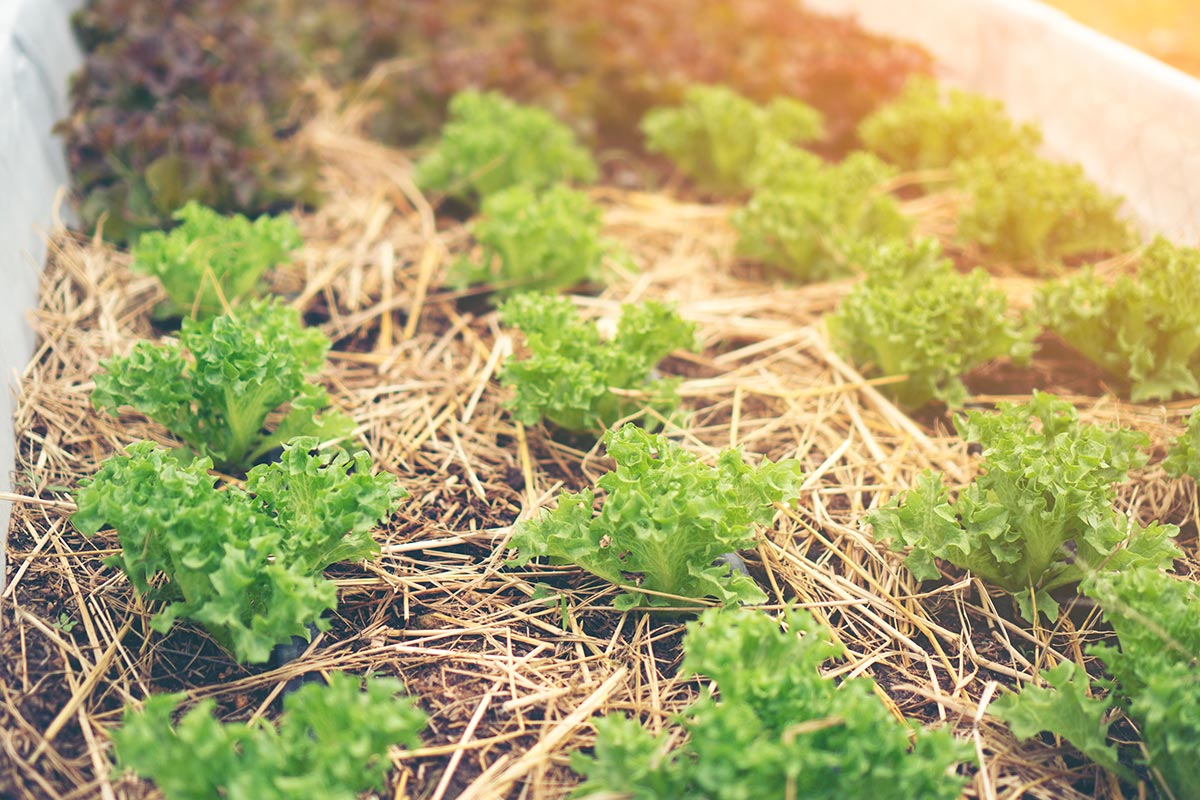
For example, the use of more environmentally friendly solutions such as biodegradable agricultural films, the use of covers manufactured with the latest technology, and the adoption of good agricultural practices that reduce the use of fertilizers and prevent water pollution, such as the use of plastic mulches, are fundamental in this context.
These applications not only enable an improvement in production, but also greater efficiency in the use of resources such as water and nutrients.
As new technologies are developed, the impact of agricultural films on sustainability and productivity will continue to grow.
Technology and biotechnology to improve yields
Technology and biotechnology have significantly transformed agricultural production. These innovations make it possible to optimize yields and reduce the use of inputs.
Some of the strategies implemented include:
- Advanced genetics: Genetically altered crops can exhibit traits that allow them to withstand pests, diseases, and adverse weather conditions.
- Biopesticides and biofertilizers: These natural products are alternatives to traditional chemicals, contributing to more ecological and sustainable agriculture.
- Automated irrigation systems: Precision irrigation technology enables more efficient water management, reducing losses and ensuring that plants receive the necessary amount.
These innovations not only increase productivity but also help preserve environmental sustainability. Implementing more advanced methods is essential to overcome the challenges posed by food production in the current context.
Precision agriculture and its advantages
Precision agriculture employs sophisticated technologies to monitor and manage crops with greater accuracy. This method incorporates tools such as sensors, drones, and data analysis to maximize productivity.
The advantages of this practice are numerous:
- Input optimization: The targeted application of fertilizers and pesticides reduces costs and minimizes environmental impact.
- Real-time monitoring: Data collection and analysis enable informed decisions about crop health, facilitating the identification of problems before they become crises.
- Increased productivity: Through more efficient resource use, higher yields per hectare are achieved.
These techniques not only drive sustainability, but also empower farmers to adapt to a constantly changing environment and maximize their profits.
Precision agriculture represents the future of a smarter and more efficient agricultural sector.
Diversification and sustainability in agriculture
Diversification and sustainability are essential components to ensure a resilient agricultural sector in Europe.
They promote adaptation to challenges such as climate change and market dynamics, while simultaneously guaranteeing the health of agricultural ecosystems.
Importance of crop diversification
Crop diversification is crucial for minimizing risks associated with agricultural production.
When farmers grow a variety of species, they can avoid significant losses arising from pests and diseases that affect specific crops.
This strategy not only contributes to economic stability, but also benefits soil health and biodiversity.
Some of the benefits include:
- Risk reduction: Crop diversity helps prevent severe economic losses.
- Soil improvement: Growing different species can enhance soil structure and fertility.
- Increased biodiversity: A variety of plantings fosters suitable habitats for diverse fauna and flora species.
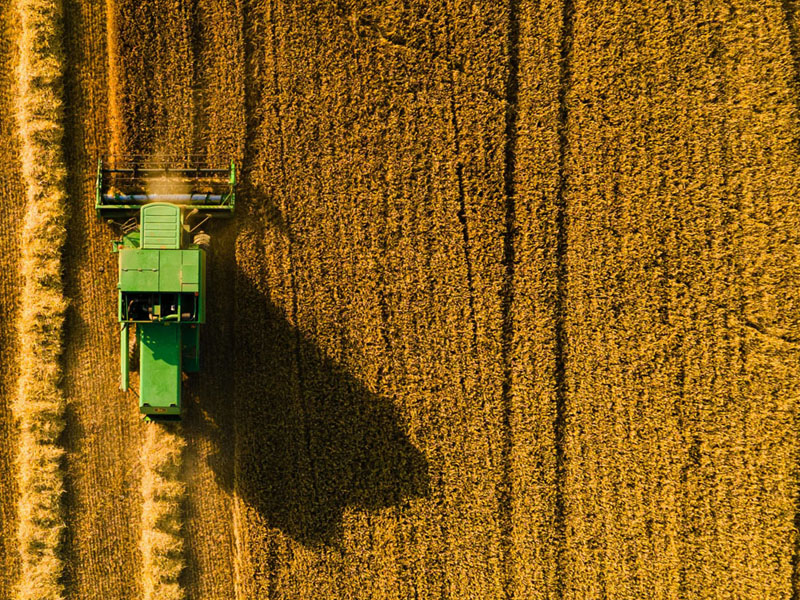
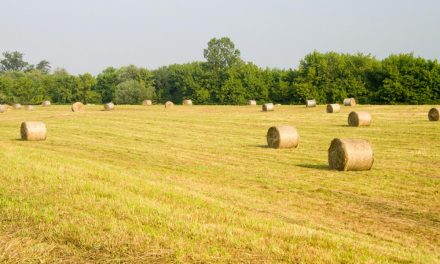
Challenges and opportunities for the future – Photo by Bernat Moreno on Unsplash
Challenges and opportunities for the future
Food self-sufficiency in Europe faces various challenges but also presents significant opportunities that can be leveraged to strengthen its agricultural production and ensure a sustainable future.
Key approaches in this context are detailed below.
Education and training of new generations of farmers
The future of agriculture in Europe is closely tied to the ability to attract and train new generations of farmers.
Education plays a vital role in imparting knowledge about advanced and sustainable agricultural practices.
It is essential to foster renewed interest in agriculture, especially among young people, to ensure a transition to a model that meets current and future demands.
This will not only guarantee the transfer of knowledge, but also enable rural communities to remain vibrant and dynamic, contributing to Europe’s food self-sufficiency.
Collaboration among European Union countries
Collaboration among European Union countries is essential for building a strong and resilient food system.
A collaborative strategy can maximize resources and promote more efficient production.
It is possible to implement collaborative projects aimed at addressing key challenges related to food security and supply.
Collaboration not only strengthens regional food self-sufficiency, but also reinforces Europe’s position on the global stage and ensures access to safe and healthy food.
Measures to reduce food waste
Reducing food waste is one of the main ways Europe can increase its self-sufficiency capacity.
Currently, it is estimated that up to 20% of produced food is wasted, representing a significant loss of resources and a harmful environmental impact.
Implementing effective measures to mitigate this situation can generate substantial benefits.
Minimizing food waste not only increases the amount of food available, but also makes a significant contribution to the sustainability of the agricultural system, optimizing resource use and easing pressure on the natural environment.
Consulted sources:
- Comisión Europea. (30 de junio de 2021). Una Visión a largo plazo para las zonas rurales de la UE: hacia unas zonas rurales más fuertes, conectadas, resilientes y prósperas antes de 2040. Recuperado de: https://eur-lex.europa.eu/legal-content/ES/TXT/HTML/?uri=CELEX%3A52021DC0345
- Comisión Europea. (4 de febrero de 2025). INFORME DE LA COMISIÓN AL CONSEJO Y AL PARLAMENTO EUROPEO sobre la aplicación de la Directiva marco sobre el agua (2000/60/CE) y la Directiva sobre inundaciones (2007/60/CE). Recuperado de: https://eur-lex.europa.eu/legal-content/ES/TXT/PDF/?uri=CELEX:52025DC0002
- Campo Galego. (29 de noviembre de 2021). Cómo Europa garantiza la autosuficiencia de alimentos a precios accesibles. Recuperado de: https://www.campogalego.es/como-europa-garantiza-la-autosuficiencia-de-alimentos-precios-accesibles/
- Euronews. (13 de febrero de 2024). Todo lo que hay que saber sobre el sector agrario de la UE. Recuperado de: https://es.euronews.com/my-europe/2024/02/13/todo-lo-que-debe-saber-sobre-el-sector-agrario-de-la-ue
- FAO. (s.f.). Implicaciones de las políticas económicas en la seguridad alimentaria: Manual de capacitación. Recuperado de: https://www.fao.org/4/w3736s/w3736s03.htm
- Grupo Banco Mundial. (s.f.). Una nueva economía alimentaria basada en el progreso. Recuperado de: https://www.bancomundial.org/es/news/immersive-story/2025/02/10/new-food-economy-rooted-in-progress