

![[eBook] Sustainability and water management](https://agriplasticscommunity.com/wp-content/uploads/8_550x310_ENG-440x264.png)
![[eBook Trends in Agriculture Plastics] Increasing use of biodegradable mulch](https://agriplasticscommunity.com/wp-content/uploads/550 × 310_2_ENG-150x150.png)
![[eBook Trends in Agriculture Plastics] Reducing the plastic used in the manufacture of agricultural films](https://agriplasticscommunity.com/wp-content/uploads/550 × 310_1_ENG-150x150.png)





Current status and future challenges of water use in the European Union
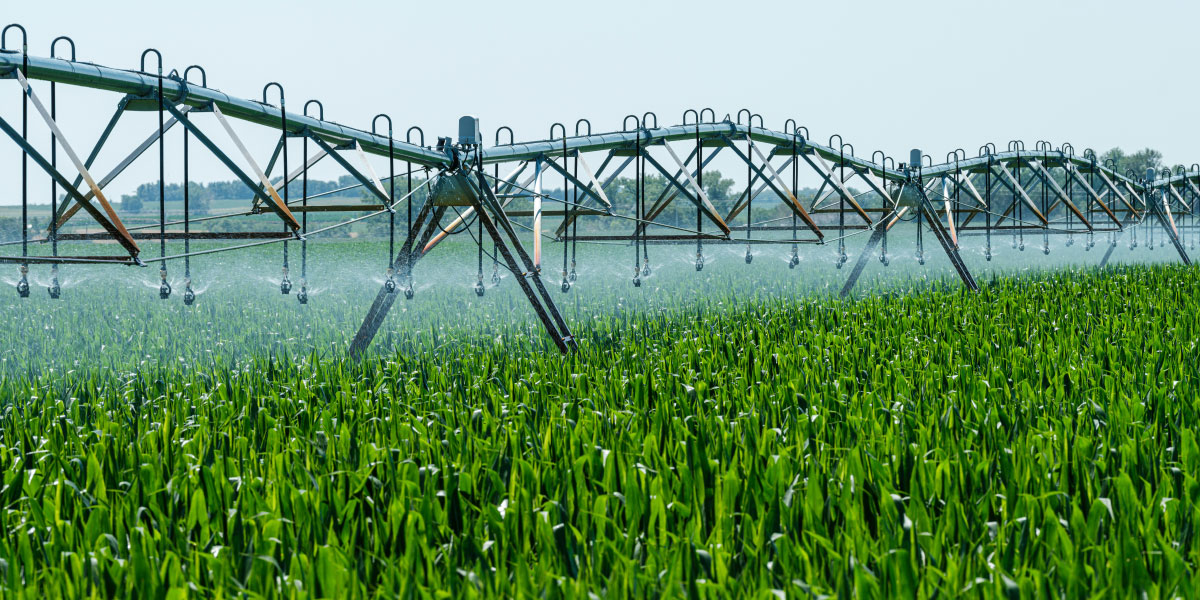
The European Commission’s Report on the implementation of the Water Framework Directive and the Floods Directive analyzes the current status and future challenges of water use in the European Union, with emphasis on sustainability, climate impact, water efficiency and adaptation to climate change.
Key sectors such as agriculture, industry and urban use are reviewed. It also proposes lines of action to ensure a more sustainable and equitable use of water resources throughout the region.
In this article we summarize in general terms the key points of the report and the solutions and actions it proposes for how farmers can make better use of scarce resources, in this case water.
Overview of the current status and future challenges of water use in the European Union
Water represents a vital resource for life, social progress and economic performance. Currently, in the European Union (EU), the use of this natural resource is under considerable pressure caused by different factors such as an improving structural management, pollution, climate change, increasing demand and urbanization processes.
These stresses are intensified by climate change, which generates more recurrent and longer-lasting droughts, as well as extreme rainfall events. This threatens food security, population health, ecosystems, infrastructures and the European economy.
In 2024, for example, the EU suffered severe droughts in Mediterranean countries and severe floods in Central and Eastern Europe. This is evidence of the continent’s vulnerability to these extreme events.
Considerable efforts are needed to achieve the EU targets related to freshwater quality and availability because the overall condition of surface water bodies in the European Union is worrying. Only 39.5% have good ecological status and only 26.8% have good chemical status.
The main cause of this situation is the widespread contamination by mercury and various toxic pollutants.
Water Framework Directive (WFD) and Floods Directive
Sustainable water management in the European Union is mainly governed by the Water Framework Directive (WFD) and the Floods Directive. These provide a legal framework aimed at preserving and improving both water quality and quantity, as well as minimizing the risks associated with floods.
These regulations aim to ensure fair access to water and protect aquatic ecosystems. They promote the involvement of society and international cooperation in river basin management.
In addition, the WFD is aligned with other EU environmental objectives, such as biodiversity, zero pollution and the fight against climate change.
The European Commission seeks that Member States adapt their own laws to implement these directives, as is the case with the regulation on single-use plastics, focused on reducing the environmental impact of certain plastic products and which is already in force in Spain.
The main purpose of this directive is to avoid and minimize the negative effects of certain plastics on the environment, especially in aquatic ecosystems, and on people’s health.
It also promotes progress towards a circular economy, promoting innovative and sustainable business models, materials and products, which also contributes to greater efficiency in the domestic market.
This is an example of how the Water Framework Directive (WFD) and the Floods Directive can be implemented through the implementation of EU member countries’ own legislation.
Water resilience strategy
The water resilience strategy, promoted by the European Union as part of the European Green Pact, seeks to strengthen water security by improving water quality and quantity, promoting innovation in the water sector and addressing structural causes such as pollution and biodiversity loss.
In addition, this strategy promotes joint and harmonized management between Member States, recognizing that a large part of European river basins are transboundary and that it is necessary to integrate freshwater and marine water policies for effective ecosystem protection.
The most recent implementation report – based on data from 2016 to 2021 – provides a detailed overview of the state of water in the EU. It also proposes specific recommendations for improving its management.
In line with the Strategic Agenda 2024-2029, this strategy represents a comprehensive and multifaceted approach to tackle the water crisis.
The EU stresses that only through a combination of policies, international cooperation, public participation and strict compliance with the Water Framework Directive and the Floods Directive can water sustainability, ecosystem protection and social and economic well-being in Europe be ensured.
Agriculture as a challenge for sustainable water use
Agriculture, as a key pillar of food security, faces the urgent challenge of using water sustainably. This is because it is one of the sectors that consumes the most water and can significantly affect its quality and availability.
To ensure a balance between food production and water sustainability, it is crucial to adopt innovative and responsible practices that reduce pressure on water resources.
Main highlights
The key points highlighted in the report that need to be addressed with respect to the use of water resources by the agricultural sector are as follows:
- High and increasing water consumption: agriculture accounts for more than 50% of water abstracted in several southern European Member States. It is noted that intensive irrigation and the shift towards more demanding crops (e.g. almond trees, avocados, intensive vineyards) have increased the pressure on aquifers and rivers.
- Over-exploitation of aquifers: In countries such as Spain, Italy and Greece, the report warns of chronic over-exploitation of groundwater due to agricultural use. This impacts both the volume and quality of accessible water.
- Inefficient irrigation: The report denounces the low level of efficiency in traditional irrigation systems, with losses exceeding 30% in many areas. Although drip irrigation systems have been introduced, their adoption is still uneven.
- Diffuse pollution: The application of fertilizers and pesticides causes diffuse pollution that negatively impacts the quality of rivers, lakes and aquifers. This type of pollution is difficult to control and remains one of the main sources of ecological deterioration of water bodies.
- Lack of governance and control: The report points to insufficient supervision of illegal abstractions and weak enforcement of existing regulations in some countries.
- Climate change and increased agricultural pressure: Increased droughts and extreme temperatures are expected to further aggravate the situation, causing farmers to demand more water resources in the coming years.
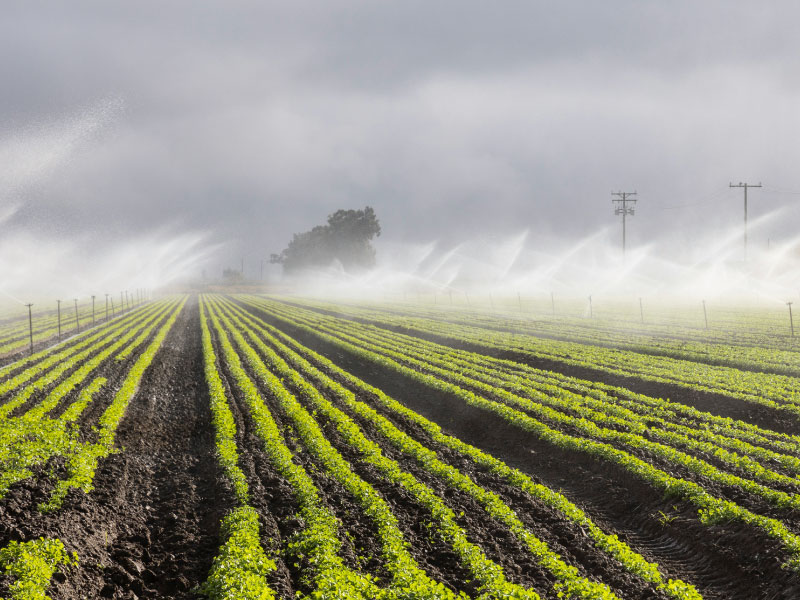
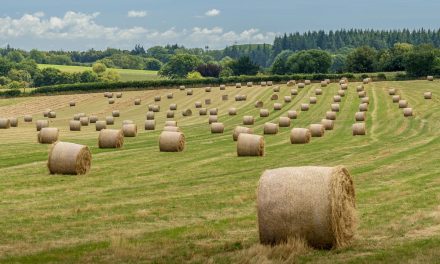
Water use in the European Union (UE). Photo by Elibet Valencia Muñoz on Unsplash
Recommendations to European Union (EU) Member States to improve water management
Recommendations to EU Member States to improve water management include the need to establish more robust programs of measures, overcome structural barriers, and improve intergovernmental coordination.
They also highlight the importance of reviewing permits and exemptions, applying the “polluter pays” principle, and promoting nature-based solutions, such as ecosystem restoration.
It also suggests optimizing the quality of information through digitization and taking advantage of the opportunities offered by the European Green Pact to accelerate the achievement of environmental goals related to water.
Recommendations for farmers
To summarize, some of the points to be taken into account for farmers to make better use of water resources are:
- Improve management and governance: ensure compliance with the Water Framework Directive (WFD). To this end, it is necessary to review permits and controls on activities that impact water, such as catchments and discharges.
- Investment and financing: Increase economic resources and ensure sufficient funding to effectively implement action programs. Leveraging funds from the Common Agricultural Policy and the Recovery and Resilience Mechanism.
- Pollution reduction: Strengthen actions to minimize pollution caused by nutrients and pesticides by implementing maximum limits and promoting sustainable agricultural practices, such as precision agriculture and integrated pest management.
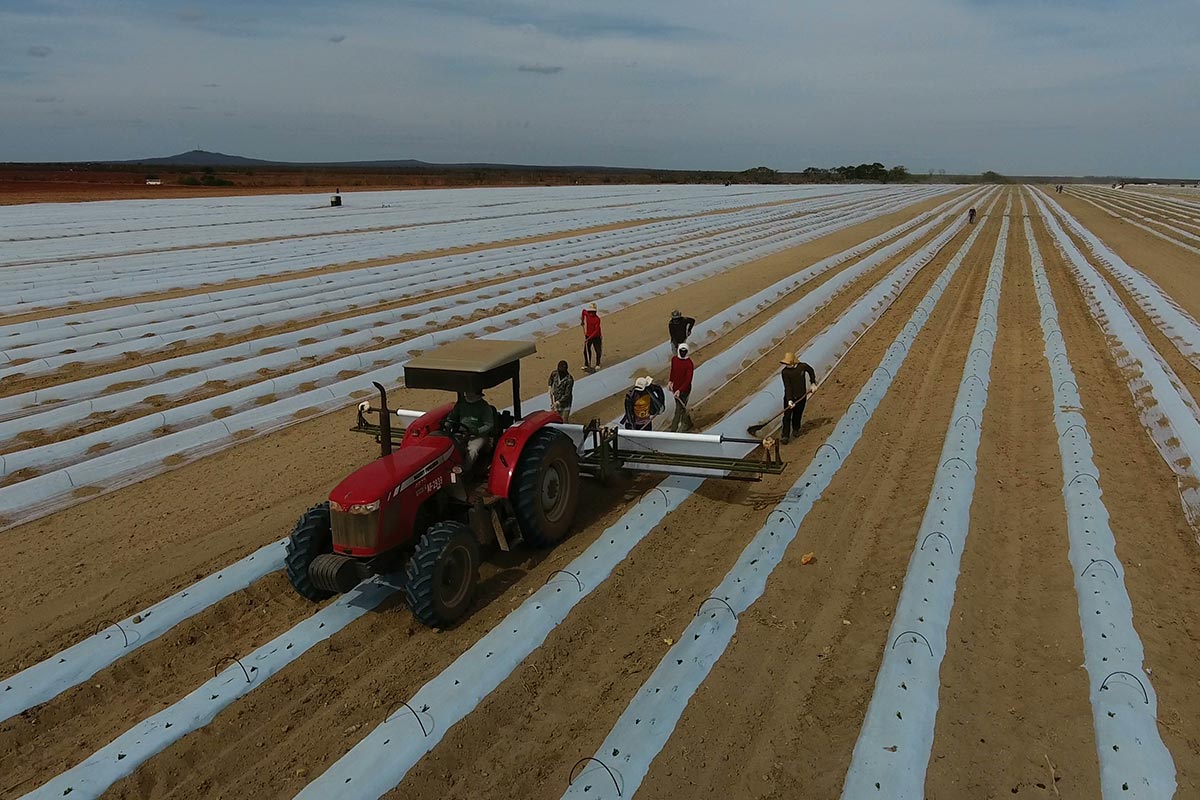
- Promote efficient water use and reuse: Implement effective actions to promote water consumption efficiency, reuse and water circularity. Making the most of nature-based solutions to achieve more sustainable storage in soils and ecosystems, as well as the use of more environmentally friendly solutions such as biodegradable films for agriculture, agricultural plastic covers that help retain moisture and make better use of water in the crop or being able to recover wastewater to use it for irrigation of agricultural areas.
- Infrastructure management: When designing new dams and reservoirs, it is essential to carefully analyze their environmental impacts and ensure that they are integrated into coordinated water management and resilience strategies that consider long-term climate scenarios.
- Establish environmental flows: Implement environmental flows in all river basins and ensure their effective application in the management and distribution of water resources. Also conducting periodic reviews of permits related to catchments and reservoirs.
The Common Agricultural Policy (CAP) and its role in improving sustainable water use
The Common Agricultural Policy (CAP) plays a key role in promoting sustainable water use in agriculture. This promotion is very important, since this sector consumes about 24% of the water abstracted in the EU, mainly for irrigation.
Through aid conditional on compliance with environmental standards, environmental schemes and incentives for investments in efficient irrigation systems, the CAP encourages more responsible agricultural practices.
It also promotes innovation, the reduction of polluting inputs and better water management. However, challenges remain due to the lack of alignment between agricultural policies and EU water regulations.
In addition, although the CAP funds efficiency measures, it also supports projects that could increase pressure on resources. Therefore, it is recommended that the European Commission strengthen water sustainability criteria in the allocation of funds. At the same time, it should demand greater coherence between policies and environmental objectives.
European Commission roadmap for a thriving agriculture and agri-food sector
The European Commission has unveiled a far-reaching strategic plan to transform the agriculture and food sector in the European Union. This initiative seeks to create an agri-food system that is innovative, competitive, resilient to challenges, and offers fairness to both current farmers and professionals and the next generations.
This strategic plan focuses on policy simplification, innovation and digitalization as key axes to transform the sector in the coming years.
The roadmap is articulated around four priority areas:
- The first is to achieve an attractive sector, guaranteeing stability and fair incomes for farmers, especially for young people, through better targeted public support and new sources of income such as carbon and nature credits.
- Secondly, it is committed to a competitive and resilient sector, where food security and sovereignty are a priority. The Commission intends to unify production standards, with a particular emphasis on imported products, to ensure that European farmers do not face competitive disadvantages. In addition, it proposes to strengthen pesticide monitoring and animal welfare.
- The third axis is to prepare the sector for the future by promoting the transition to a low-carbon economy. Farmers who adopt environmentally friendly practices will be rewarded and access to biological alternatives to pesticides will be facilitated.
- Finally, this roadmap aims to ensure equitable working and living conditions in rural areas by renewing the Rural Action Plan and promoting an annual dialogue on food involving all relevant stakeholders.
Topics to be addressed include food accessibility, reducing food waste and addressing social concerns related to animal welfare.
The future Common Agricultural Policy (CAP) will be designed in a clearer and more concrete manner, focusing primarily on providing incentives rather than imposing requirements, with a special emphasis on supporting young farmers and those operating in areas with natural constraints.
The vision, drawn up in consultation with the main stakeholders in the sector and based on the strategic dialogue on the future of agriculture, seeks to ensure the long-term competitiveness and sustainability of the European agrifood system.
Efficient water use in contexts of water alteration
For centuries, human intervention has significantly transformed Europe’s natural water systems. This has resulted in the creation of artificial or heavily modified water bodies through reservoirs, canals, and flood control structures.
This transformation responds to various needs, including agriculture, which is responsible for 38% of all alterations (23% for drainage and 15% for irrigation).
Solutions for more efficient agricultural water management
Despite these challenges, there are several tools and strategies for the agricultural sector to optimize the use of water resources:
- Controlled water infrastructure: although originally intended for other purposes (flooding, energy, urbanization), many of these infrastructures can be adapted to improve water distribution in agriculture.
- Protected areas with specific objectives: Areas designated under European legislation (such as the Nitrates and Drinking Water Directives) imply compliance with stricter water quality and management goals. This requires the adoption of good agricultural practices that reduce the use of fertilizers and avoid water pollution, such as the use of plastic mulch.
- Methodological review: Improved methodologies for defining good ecological potential are an opportunity to guide farmers towards sustainable water use.
- Protection of aquatic species and habitats: In areas designated for aquaculture or shellfish production, species protection also promotes more careful water management.
- River basin hydrological plans: Although there are differences between countries, these plans allow territorial planning that integrates the needs of the agricultural sector with the actual availability of water. This promotes agriculture adapted to the local water environment.
- Efficient irrigation technologies: That barely 16.8% of highly modified waters have achieved good ecological potential indicates that there is ample room for progress. In this context, the implementation of drip irrigation systems, soil moisture sensors and real-time monitoring technologies are essential to minimize water wastage.
If you want to know more about this topic, you can read our eBook on the use of technology to address water scarcity in the agricultural sector.
Ensuring socioeconomic strength
Although EU member states have improved transparency in the use of legal exemptions for non-compliance with the Water Framework Directive (WFD), many water plans still lack detailed information on each water body.
124 billion between 2022 and 2027 to meet the WFD objectives and improve flood risk management. But many of these estimates are incomplete and there is an annual investment shortfall of around 25 billion.
Despite the backing of European funds such as the CAP and other financial mechanisms, the plans lack clear timelines and economic analyses do not clearly demonstrate whether the proposed measures are effective in terms of associated costs, hindering efficient and strategic water planning.
Application to the agricultural sector
The text clearly shows that efficient water management is a pending challenge, but also an opportunity. For farmers, this means:
- Reusing and storing water can be key, as these are services little addressed in official plans, but with high potential in the field.
- The use of technologies for efficient irrigation, moisture sensors and monitoring platforms would help meet the principles of cost recovery and rational use of water.
- Investment in agricultural water infrastructure (wells, dams, smart drip irrigation) could be partly funded by European programs if they are aligned with the objectives of basin plans.
- Nature-based solutions (such as cover crops or soil improvement) can also support water resilience and facilitate access to green or resilience funds.
Challenges of water use in the European Union
The future of water in European agriculture requires a strategic approach. This must combine ecological restoration, water use efficiency and long-term planning.
While there are technological and nature-based solutions capable of improving yields with lower water consumption, their application remains limited and requires a decisive push. This involves aligning policies, encouraging innovation and engaging all actors in the agricultural sector in a transformation towards water sustainability.
The European Commission’s report highlights that despite the current strong policy framework, progress is insufficient in the face of growing pressures from climate change, urbanization and agricultural demand.
The Water Resilience Strategy represents a key opportunity to address these challenges, but its success will depend on real commitment from EU Member States and effective governance.
Europe has the tools to reverse the water crisis, but it needs firm and urgent decisions. Only in this way will it be able to ensure a future in which water continues to be the engine of life, production and environmental balance.
If you want to know more about the implications and scope of this European Commission report, we invite you to read our posts on the role of agriculture in creating social, cultural and economic fabric in rural areas and the strategic importance in Europe of being self-sufficient in food production.
We also invite you to watch recent webinars in Agriplastics Community where we talk about solutions developed thanks to technological innovations:
- Solar Shrink: a new generation of mulch plastics
- OASIS SecondSky™ covers: redefining agriculture in hot climates
Conclusions of the report
The report on the status of water bodies in the European Union shows a mixed picture: although monitoring and knowledge of these resources has improved, major challenges persist in their overall quality.
While groundwater shows a mostly positive status, surface water remains in a worrying condition.
This situation is explained by the pollution accumulated over time, the presence of persistent toxic substances and new types of emerging pollutants.
Although there is some progress in biological indicators and in the reduction of waters with unknown status, most countries will not achieve the objectives of the Water Framework Directive (WFD) by 2027 if the ambition of current measures is not increased.
In addition, there is concern that some states are considering exemptions that could weaken environmental commitments.
In the area of flood management, important progress has been made, such as better identification of risk areas and better integration of climate change into planning, but there is still a need to strengthen response capacity, adapt measures to the future climate and ensure the necessary resources for their implementation.
Sources consulted:
European Commission (October 23, 2000). DIRECTIVE 2000/60/EC OF THE EUROPEAN PARLIAMENT AND OF THE COUNCIL establishing a framework for Community action in the field of water policy. Consulted at: https://eur-lex.europa.eu/eli/dir/2000/60/oj
European Commission. (October 27, 2007). DIRECTIVE 2007/60/EC OF THE EUROPEAN PARLIAMENT AND OF THE COUNCIL on the assessment and management of flood risks. Consulted at: https://eur-lex.europa.eu/legal-content/EN/TXT/?uri=celex:32007L0060
European Commission. (June 30, 2021). A Long-term Vision for the EU’s rural areas: towards stronger, connected, resilient and prosperous rural areas by 2040. Consulted at: https://eur-lex.europa.eu/legal-content/EN/TXT/HTML/?uri=CELEX%3A52021DC0345
European Commission. (December 21, 2022). European Environment Agency publishes report on sustainable water management. Consulted at: https://cordis.europa.eu/article/id/17250-european-environment-agency-publishes-report-on-sustainable-water-management/es
European Commission (February 18, 2025). Commission presents its roadmap for a thriving EU agriculture and agri-food sector. Consulted at: https://ec.europa.eu/commission/presscorner/detail/es/ip_25_530
European Commission. (February 4, 2025). REPORT FROM THE COMMISSION TO THE COUNCIL AND THE EUROPEAN PARLIAMENT on the implementation of the Water Framework Directive (2000/60/EC) and the Floods Directive (2007/60/EC). Consulted at: https://eur-lex.europa.eu/legal-content/EN/TXT/PDF/?uri=CELEX:52025DC0002
European Union. (June 5, 209). Directive (EU) 2019/904 of the European Parliament and of the Council of 5 June 2019 on reducing the impact of certain plastic products on the environment. Consulted at: https://eur-lex.europa.eu/legal-content/EN/TXT/?uri=CELEX:32019L0904
iAgua. (February 5, 2025). EC publishes its latest reports on the state of water in the European Union. Consulted at: https://www.iagua.es/noticias/comision-europea/ce-publica-ultimos-informes-estado-agua-union-europea
Qcom.es. (February 5, 2025). Much work remains to be done to protect and improve water management in the European Union. Consulted at: https://www.qcom.es/agua/agro/mucha-tarea-aun-para-proteger-y-mejorar-la-gestion-del-agua-en-la-union-europea_64830_3072_69709_0_1_in.html