

![[eBook] Sustainability and water management](https://agriplasticscommunity.com/wp-content/uploads/8_550x310_ENG-440x264.png)
![[eBook Trends in Agriculture Plastics] Increasing use of biodegradable mulch](https://agriplasticscommunity.com/wp-content/uploads/550 × 310_2_ENG-150x150.png)
![[eBook Trends in Agriculture Plastics] Reducing the plastic used in the manufacture of agricultural films](https://agriplasticscommunity.com/wp-content/uploads/550 × 310_1_ENG-150x150.png)







The role of agriculture in creating social, cultural, and economic networks in rural areas of the European Union
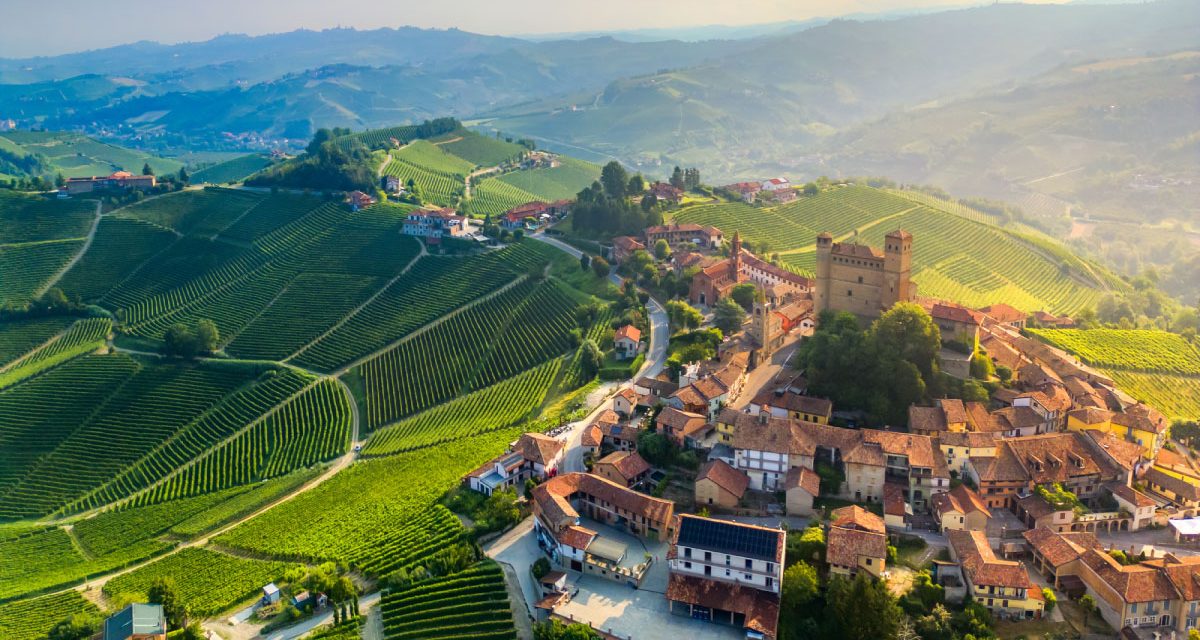
Agriculture plays a fundamental role in the development of rural areas in the European Union. In addition to boosting the economy, it strengthens social unity and helps preserve the cultural traditions of these communities. This situation could be reflected in other communities in different countries or regions.
In a constantly changing world, understanding the role of agriculture in creating social, cultural, and economic network in rural areas is essential to promoting sustainable development and food security.
This article, based on the European Commission’s Report on the implementation of the Water Framework Directive and the Floods Directive, will explore the role of agriculture in the above-mentioned aspects, as well as the influence of the Common Agricultural Policy and European funds. It will also address innovation, sustainability, and the current challenges facing these communities.
European Commission report on the implementation of the Water Framework Directive and the Floods Directive
The report emphasizes that sustainable water management is essential to address the challenges of climate change, biodiversity loss, and pollution. It also points out that agriculture is one of the sectors most affected and one that can contribute the most in this context.
Although the report does not directly address the effect of agriculture on the social, cultural, and economic network of rural areas, it can be inferred that optimizing water management and implementing policies aimed at adapting to climate change—such as the recovery of natural ecosystems and sustainable water resource management—are essential to strengthening the resilience of these regions.
Agriculture plays a key role in these processes, contributing to both the economic stability and social well-being of rural communities.
Sustainable water management can strengthen the social network by improving quality of life and fostering cooperation between farmers and authorities to address environmental challenges.
The importance of agriculture for social, cultural, and economic cohesion
Agriculture, particularly family farming, is essential for ensuring sustainable food production and strengthening social and territorial cohesion in rural areas.
This agricultural model is strategic in the fight against rural depopulation, as it generates employment, protects the environment, and keeps communities alive that transmit culture, history, and ways of life specific to rural areas.
Delving deeper into the role of agriculture means recognizing its multifunctionality: it not only produces food, but also provides non-food goods and services, regulates the workforce, contributes to food security and the care of natural resources, and acts as an economic and social engine in rural areas.
Family farming, in particular, strengthens the social network by rooting the population in the territory, promoting the transmission of knowledge and cultural values, and facilitating the integration of agricultural and non-agricultural activities that diversify incomes and increase the resilience of rural communities.
The territorial approach to rural development highlights the importance of the functions and services provided by agriculture beyond production, including integration with markets, territorial competitiveness, and the conservation of geographical and historical heritage.
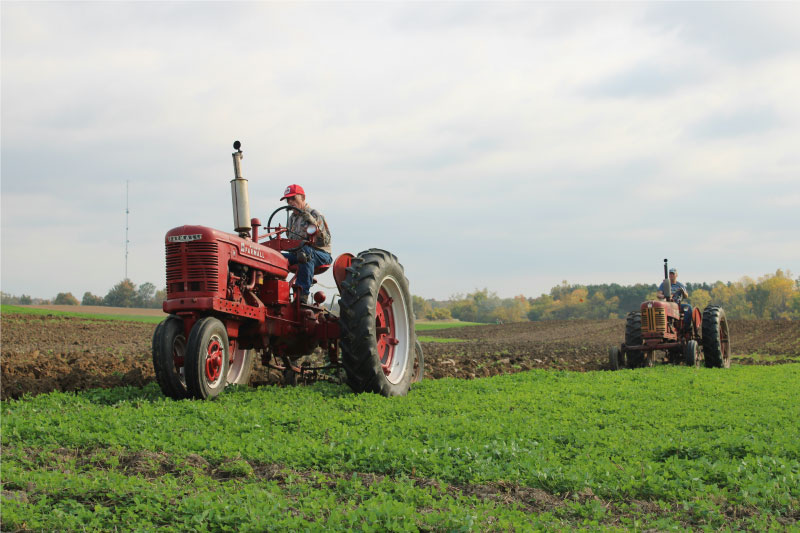
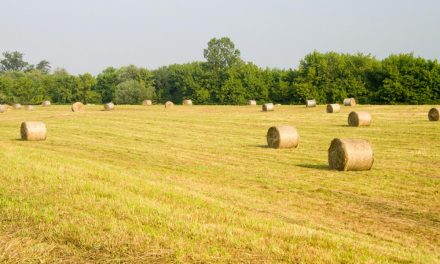
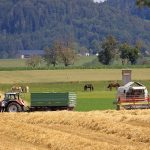
Role of agriculture in rural areas. Photo by Emily Studer on Unsplash
How can we strengthen the role of agriculture in creating social, cultural, and economic network in rural areas?
Ensuring that agriculture promotes the creation and maintenance of social, cultural, and economic network in agricultural areas is essential today to protect these communities.
To achieve this goal, it is necessary to:
- Analyze the multifunctionality of agriculture and its contribution to social and territorial cohesion.
- Assess its capacity to generate employment, stabilize the population, and transmit rural culture and knowledge.
- Promote public policies that support innovation, market access, and environmental sustainability.
- Encourage the integration of agriculture with other rural activities and community participation in decision-making.
This approach allows us to understand agriculture not only as a productive sector, but also as a central axis for sustainable development and the vitality of rural areas.
Economic role of the agricultural sector
The following considerations highlight its relevance:
- Job creation: According to 2022 data from Eurostat and the European Commission, approximately 8.7 million jobs in the agricultural sector in Europe demonstrate its impact on job creation. Agriculture represents more than just a means of subsistence, as it is also a source of both direct and indirect employment in related sectors.
- Contribution to GDP: Through the food supply chain, agriculture contributes significantly to the Gross Domestic Product (GDP) of rural areas, reviving local economies and encouraging investment.
- Stimulation of other industries: Agriculture serves as a fundamental pillar for the growth of areas such as rural tourism, artisanal production, and traditional cuisine, thereby expanding economic opportunities in rural communities.
Promoting social cohesion in rural areas
Agriculture contributes significantly to social cohesion in rural areas. Agricultural activities help create interpersonal connections and foster a sense of community.
Some key elements include:
- Strengthening community networks: Daily interactions between farmers and neighbours create strong bonds, which are necessary for social development and mutual support.
- Active participation: Rural development projects in conjunction with local action groups provide residents with the opportunity to get involved in decision-making, thereby promoting inclusion and community participation.
- Building cultural identity: Agricultural traditions reinforce local identity and foster a sense of belonging among the inhabitants of these communities, creating valuable social capital.
Cultural impact of European agriculture
Agriculture is a fundamental vehicle for the preservation and promotion of cultural diversity in Europe. Its influence manifests itself in different ways:
- Preservation of traditions: Traditional agricultural practices, which vary between regions, are an essential part of European cultural heritage. This legacy generates growing interest in the preservation of these traditions in the face of modernization.
- Typical products: The production of regional foods, such as cheeses, wines, and oils, not only satisfies the local palate but also encourages cultural tourism, attracting visitors interested in authentic cuisine.
- Agritourism: Agritourism initiatives allow visitors to experience rural life and learn about local agricultural practices, contributing to the cultural and economic development of rural areas.

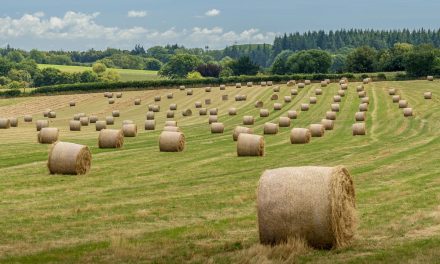
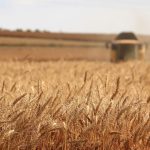
Cultural impact of agriculture. Photo by Eric Prouzet on Unsplash
Further insight into the role of agriculture in rural areas
As mentioned above, agriculture, particularly family farming, is key to ensuring food security and strengthening social and territorial unity in rural areas.
Its presence and activity help combat depopulation and generate employment, especially for young people and women, keeping rural communities alive and transmitting their unique culture, history, and ways of life.
Rural areas, where agriculture takes place, fulfil economic functions (production of food and raw materials, and support for small businesses and services), ecological functions (conservation of natural resources and landscapes), and social functions (preservation of rural identity and culture).
The multifunctionality of agriculture is essential for preserving the socioeconomic and cultural network of rural areas.
To better understand this role, it is essential to adopt a comprehensive approach to rural development, in which agriculture is not limited to production alone, but also promotes environmental sustainability and diversification of activities, thus facilitating multiple activities and the combination of sources of income for rural families.
Current challenges for agriculture in the European Union
Public policies must recognize and support these functions, compensating for the services that agriculture provides to society and that are not remunerated by the market, such as the conservation of the environment and cultural heritage.
In addition, innovation, digitization, and the inclusion of young people and women in agriculture are key elements in ensuring its transformative role and adaptation to current challenges, thereby strengthening the rural social and economic fabric.
In short, to deepen the role of agriculture in creating social, cultural, and economic network in rural areas, it is essential to recognize its multifunctionality, support the diversification and sustainability of rural activities, and promote policies that value and remunerate the services it provides to society as a whole, beyond the mere production of food.
Water Framework Directive (WFD)
This report offers recommendations for EU Member States to improve the implementation of the Water Framework Directive (WFD), focusing on accelerating actions, increasing investment, reducing pollution, and promoting water resilience.
Although it does not directly mention the role of agriculture in creating social and economic network, it can be inferred that water management policies are crucial for rural communities.
Water efficiency and the adoption of nature-based solutions are essential to promoting sustainable agriculture, which in turn can strengthen the economic and social network of rural areas. For example, promoting precision agriculture and improving water infrastructure can create new economic opportunities for farmers, while ecosystem restoration and water resource management can contribute to social cohesion in these communities.
Furthermore, integrating agriculture into water policies could help rural areas better adapt to climate change, ensuring their long-term economic and cultural sustainability.
If you would like to learn more about how technology can help make water use more efficient, we invite you to read our eBook on the use of technology to address water scarcity in the agricultural sector.
The Common Agricultural Policy (CAP) and its influence
The Common Agricultural Policy (CAP) is an essential pillar of the European Union’s agricultural system, playing a crucial role in promoting sustainable and social development in rural areas.
It is designed to harmonize the economic, social, and environmental demands of the agricultural sector.
CAP objectives in the rural context
The CAP has several key objectives that reflect its impact on rural areas. These include:
- Ensuring adequate incomes for farmers, guaranteeing the financial sustainability of their farms.
- Protecting and promoting environmental sustainability by promoting responsible and sustainable agricultural practices.
- Contributing to food security in Europe by ensuring a stable supply of quality agricultural products.
- Promoting comprehensive rural development by supporting economic diversification and job creation in rural areas.
Funding and financial support for the agricultural sector
Funding is one of the key pillars of the CAP. The allocation of financial resources enables the implementation of various rural development measures.
The main forms of funding include:
- Direct subsidies: These are essential for ensuring stable incomes for farmers and supporting agri-food production.
- Rural Development Funds: With financial support from the European Union, these resources are essential for promoting initiatives that encourage the modernization of the sector and sustainable development.
- Investment support: Financial aid is granted to farmers to invest in new technologies, machinery, infrastructure, and sustainable practices.
- Tax incentives: Tax measures are planned to benefit those who implement sustainable agricultural practices, thus promoting a greener and more responsible environment.
The proper management of these resources is essential to ensure that the objectives of the CAP are met, guaranteeing a prosperous and sustainable future for rural areas in Europe.
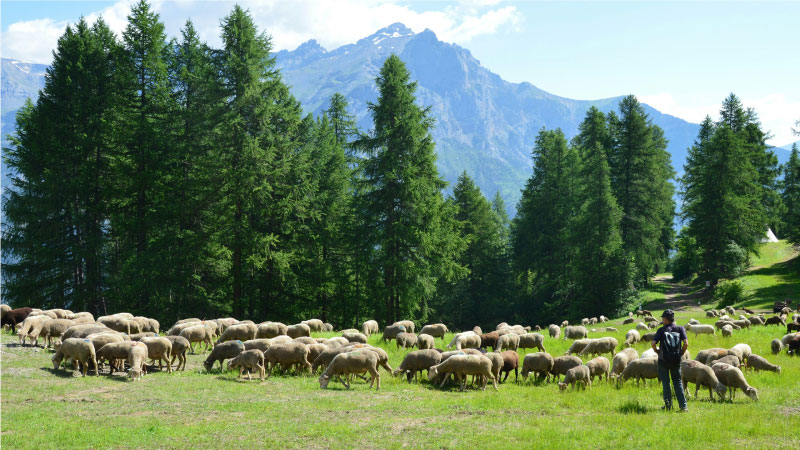
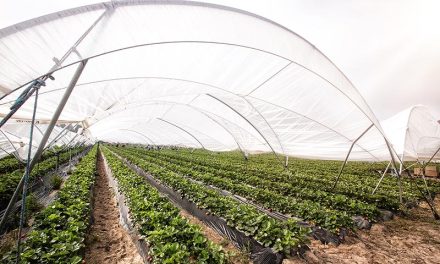
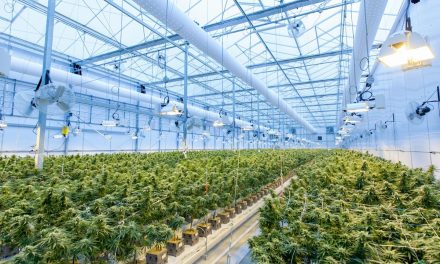
The role of agriculture in creating social, cultural, and economic network in rural areas. Photo by Slim MARS on Unsplash
Summary of the report with emphasis on the role of agriculture in the rural social, cultural, and economic fabric
The document addresses the urgent need for the European Union (EU) and its member states to strengthen their preparedness and response capacity to growing climate risks, especially those related to water, such as droughts and floods.
Although there is no direct mention of the role of agriculture in creating social, cultural, and economic network, an important connection can be inferred in some key points.
The report points out that many river basin management plans do not provide sufficient detail on the different uses of water, including agricultural uses, which prevents a complete understanding of their economic and social impact.
This lack of clarity affects the planning of effective and sustainable measures and limits recognition of the essential role that agriculture plays not only economically, but also as a driver of the social and cultural network of rural areas.
It also highlights that EU financial instruments—such as the Common Agricultural Policy—have been key in supporting the implementation of measures that benefit rural areas, where agriculture plays a central role.
Therefore, the document suggests that greater investment and better integration of economic analysis of water use—especially in the agricultural sector—would not only strengthen environmental sustainability, but also economic, social, and cultural cohesion in rural areas, helping to build a community network that is resilient to climate and water scarcity challenges.
Sources consulted:
Agriplastics Community. (October 27, 2023). Impact of drought on agriculture: consequences and solutions. Retrieved from: https://agriplasticscommunity.com/impact-of-drought-on-agriculture-consequences-and-solutions/
European Commission. (June 30, 2021). A Long-Term Vision for Rural Areas in the EU: Towards Stronger, Connected, Resilient, and Prosperous Rural Areas by 2040. Retrieved from: https://eur-lex.europa.eu/legal-content/EN/TXT/HTML/?uri=CELEX%3A52021DC0345&
European Commission. (December 21, 2022). European Environment Agency publishes report on sustainable water management. Retrieved from: https://cordis.europa.eu/article/id/17250-european-environment-agency-publishes-report-on-sustainable-water-management/en
FAO. (September 21, 2017). Rural migration, agriculture, and rural development. Retrieved from: https://www.fao.org/fsnforum/consultation/rural-migration-agriculture-and-rural-development
Ministry of Agriculture, Fisheries, and Food. (2004). European rural policy at a crossroads. Retrieved from: https://www.mapa.gob.es/ministerio/pags/biblioteca/fondo/pdf/46954_all.pdf
European Commission. The common agricultural policy at a glance. Retrieved from: https://agriculture.ec.europa.eu/common-agricultural-policy/cap-overview/cap-glance_en
European Commission. Rural development. Retrieved from: https://agriculture.ec.europa.eu/common-agricultural-policy/rural-development_en